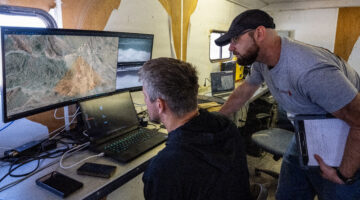
Urban warfare: Next Falcon Peak exercise to take counter-drone tech to the streets
After testing cUAS tech against heat and sand in the desert, the Pentagon is upping the exercise's complexity by simulating a bustling city.
After testing cUAS tech against heat and sand in the desert, the Pentagon is upping the exercise's complexity by simulating a bustling city.
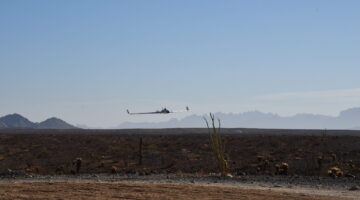
AeroVironment, Epirus, Kord and Boeing were selected for JIATF-401's pilot program.


As threats continue to evolve, speed will increasingly depend on what is already available when the need emerges.
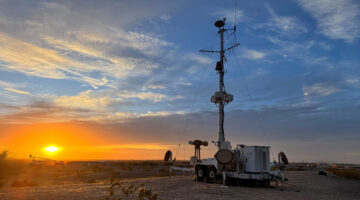
A dozen vendors came to Yuma Proving Ground during Falcon Peak 26.2 to test their counter drone tech. Their goal: win a Pentagon contract.
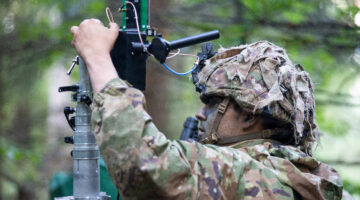
The Army awarded 10 companies for a variety of counter-drone tech including sensors, effectors and C2 systems, Brent Ingraham, the head of ASA(ALT), told reporters.
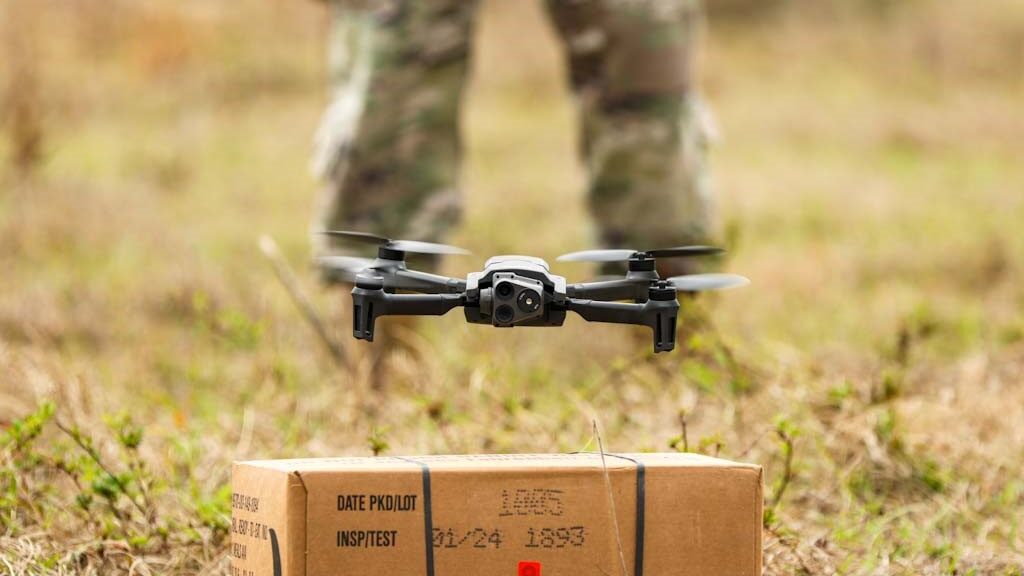
A promising demonstration could result "in a purchase order that allows us to start building the production lines to get these systems into the field,” said Army Brig. Gen. Matt Ross, director of the Pentagon’s JIATF-401.
JIATF-401 also awarded AeroVironment (AV) a $500 million three-year contract earlier this month.

Expanding manufacturing capacity is critical to producing missiles, radars, and launch systems.
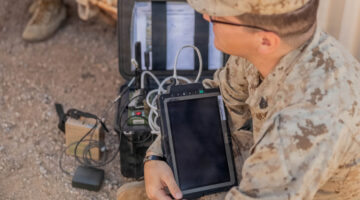
Gen. Guillot said that through JIATF 401, the US military is inviting industry partners to the border to show off their tech aimed at taking down adversary drones.
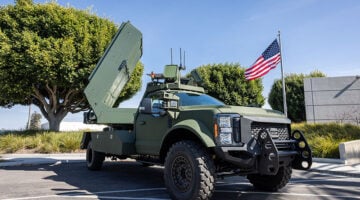
The Leonidas Autonomous Ground Vehicle consists of a commercial Ford F600 model truck tricked out with Kodiak’s autonomous driving software and Eprius’ high-power microwave (HPM) c-UAS platform.
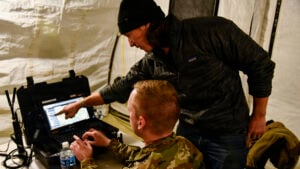
"We got a lot of messages over the weekend, like, ‘Oh, you made $20 billion.’ There's no money attached to it, this is just a contract vehicle, but it reduces a lot of friction in things that just simply shouldn't have it," Anduril President Matthew Steckman said.
The new guidance also grants service secretaries the power to designate what facilities should have special protections against drone threats.

New threats, including downstream attacks, drive the need for improved tools to protect critical assets.
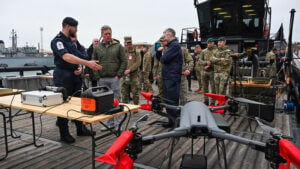
The Army secretary said the “end state” of such arrangements would make the US and its allies "stronger" in a future conflict where they would have to fight together.
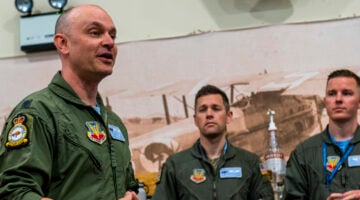
“My interpretation of that law is that we won't let a service procure something that doesn't perform and if they want to, JIATF-401 gets to say no,” said Col. Jonathan Beha, chief of requirements for the Joint Inter-Agency Task Force.
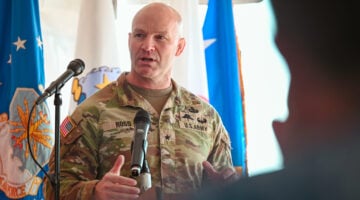
"We've got a wide variety of counter-UAS tools, and I actually think that we need all of them, because depending on where you are or what threat you're focused on, your requirements will be slightly different,” Brig. Gen. Matt Ross, commander of JIATF 401, said.
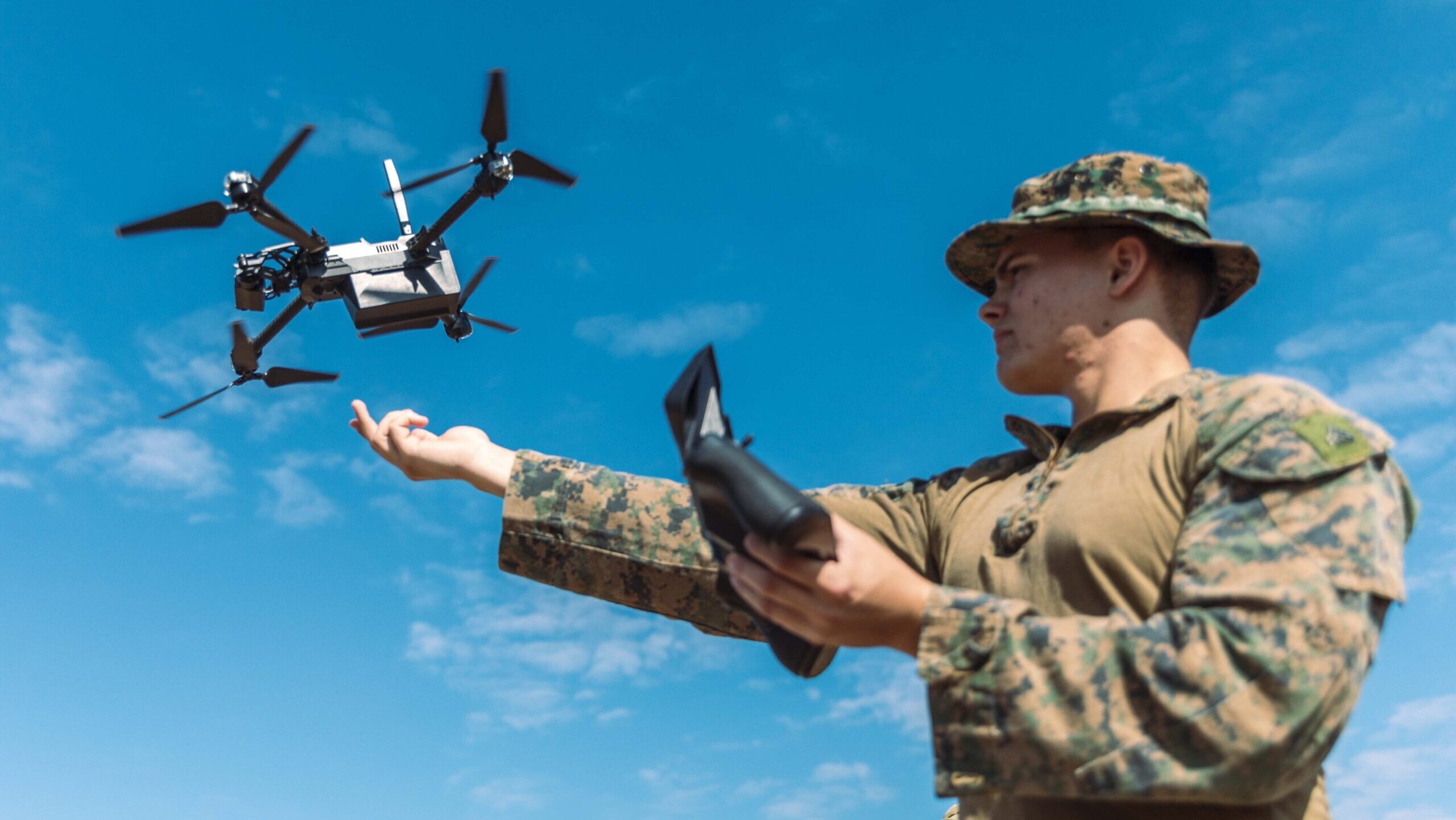
Stacie Pettyjohn, a co-author of the new Center for New American Security study, told Breaking Defense the US should focus on three c-UAS tactics.